Delving into the world of commercial air conditioning contractors, this guide aims to provide a comprehensive overview of their crucial role in the HVAC industry. From the services they offer to the importance of hiring professionals for your projects, this article covers it all.
Overview of Commercial Air Conditioning Contractors
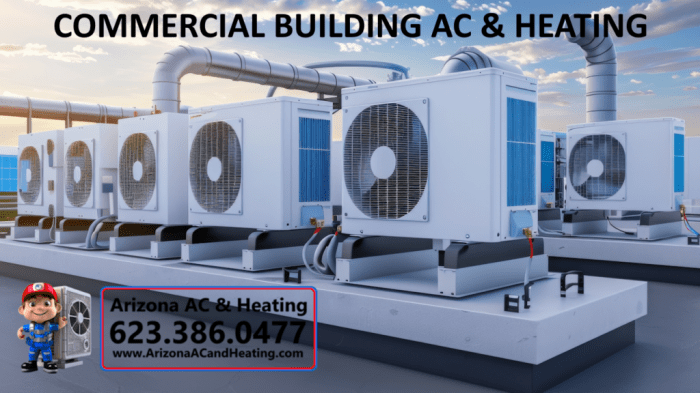
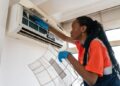
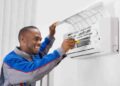
Commercial air conditioning contractors play a crucial role in the HVAC industry by providing specialized services for businesses and commercial properties. These contractors are experts in installing, repairing, and maintaining large-scale air conditioning systems to ensure optimal performance and efficiency.
Services Offered by Commercial Air Conditioning Contractors
- Installation of commercial HVAC systems: Contractors are skilled in setting up complex air conditioning systems tailored to the specific needs of commercial spaces.
- Repair and maintenance services: Contractors offer regular maintenance checks and quick repairs to prevent downtime and ensure continuous operation of air conditioning units.
- Upgrades and replacements: Contractors can recommend and implement upgrades or replacements of outdated systems to improve energy efficiency and performance.
- 24/7 emergency services: Many commercial air conditioning contractors provide round-the-clock emergency services for urgent repair needs.
Importance of Hiring Professional Contractors
Commercial air conditioning projects require expertise and precision to ensure the comfort and productivity of employees and customers. Hiring professional contractors offers the following benefits:
- Quality workmanship: Professional contractors have the skills and experience to deliver high-quality installation and repair services.
- Compliance with regulations: Contractors are knowledgeable about industry regulations and standards, ensuring that installations meet legal requirements.
- Cost-effective solutions: Professional contractors can recommend energy-efficient systems and maintenance practices to reduce operational costs in the long run.
- Peace of mind: By entrusting air conditioning projects to professionals, businesses can have peace of mind knowing that their systems are in good hands.
Qualifications and Certifications
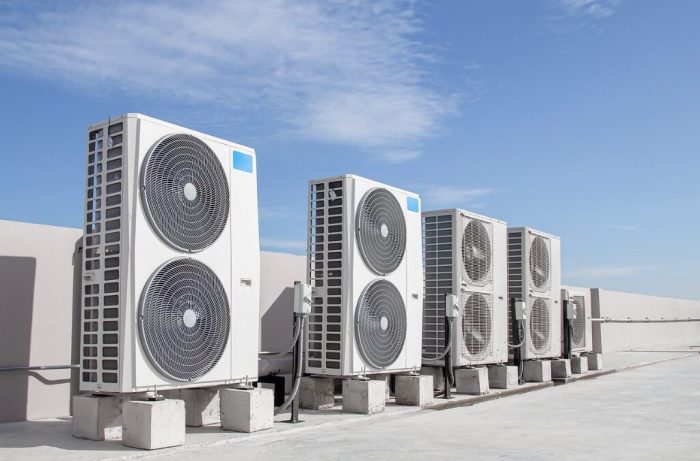
Commercial air conditioning contractors play a crucial role in ensuring the proper functioning of HVAC systems for businesses. To excel in this field, these professionals should possess specific qualifications and certifications to meet industry standards and ensure high-quality service delivery.
Essential Qualifications for Commercial Air Conditioning Contractors
- Education: A high school diploma or equivalent is typically required to enter the field. Some contractors may also pursue post-secondary education in HVAC technology or a related field to enhance their skills and knowledge.
- Experience: Hands-on experience in installing, maintaining, and repairing commercial HVAC systems is essential. Many employers prefer candidates with a few years of relevant work experience.
- Technical Skills: Contractors should have a strong understanding of HVAC systems, including components like compressors, motors, and refrigerant lines. They should also be proficient in reading blueprints and technical manuals.
- Problem-Solving Abilities: The ability to troubleshoot issues and find effective solutions is crucial in this line of work. Contractors should be able to diagnose problems accurately and implement appropriate repairs.
Significance of Certifications in the Commercial HVAC Sector
Certifications such as EPA 608 and NATE hold great importance in the commercial HVAC sector as they validate the expertise and competency of contractors.
- EPA 608 Certification:This certification is required by the Environmental Protection Agency (EPA) for professionals who handle refrigerants. It demonstrates an individual's knowledge of safe refrigerant handling practices and environmental regulations.
- NATE Certification:North American Technician Excellence (NATE) certification is a nationally recognized credential that signifies a contractor's proficiency in HVAC installation, maintenance, and repair. It demonstrates a high level of technical expertise and professionalism.
Licensing Requirements for Commercial Air Conditioning Contractors
Licensing requirements for commercial air conditioning contractors vary from state to state. Some states may require contractors to obtain a specific license to work on commercial HVAC systems, while others may have more general licensing regulations. It is important for contractors to familiarize themselves with the licensing requirements in their state and ensure compliance to operate legally and maintain credibility in the industry.
Project Planning and Design
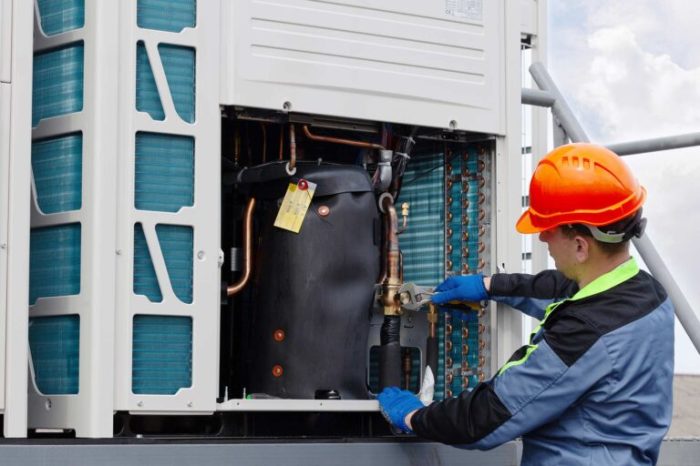
When it comes to planning and designing commercial air conditioning systems, contractors go through a meticulous process to ensure efficiency and effectiveness in cooling large spaces. Factors such as building size, layout, occupancy, and usage play a crucial role in determining the optimal design for HVAC systems in commercial buildings.
Factors Considered in Designing HVAC Systems
- The size and layout of the commercial building: Contractors need to consider the square footage, number of floors, and room layout to determine the most suitable system design.
- Occupancy and usage: Understanding the number of occupants and the type of activities taking place in the building helps in determining the cooling load requirements.
- Energy efficiency: Contractors aim to design systems that are energy-efficient to reduce operational costs and environmental impact.
- Ductwork design: Proper ductwork design ensures that air is distributed evenly throughout the building, maintaining consistent temperatures.
Energy-Efficient Design Examples
- Variable Refrigerant Flow (VRF) Systems: These systems allow for individual control of air conditioning in different zones, increasing energy efficiency.
- Energy Recovery Ventilation (ERV) Systems: ERV systems help in recovering heat or coolness from exhaust air to pre-condition incoming fresh air, reducing energy consumption.
- High-Efficiency HVAC Equipment: Contractors may recommend high-efficiency equipment such as chillers, boilers, and air handlers to improve overall system performance.
Installation and Maintenance Practices
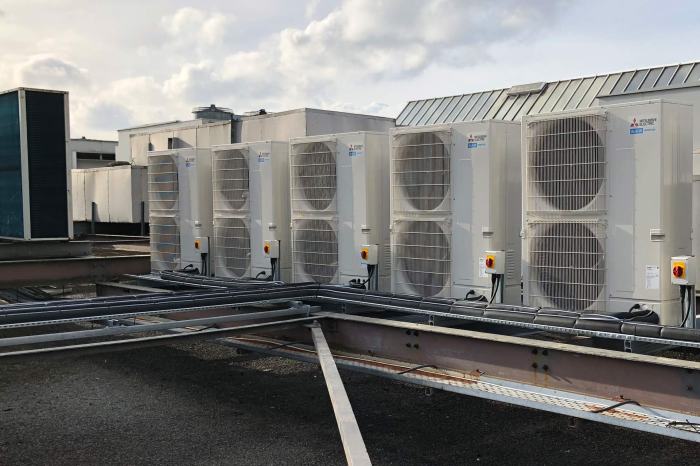
Installing and maintaining commercial air conditioning systems requires precision and expertise to ensure optimal performance and longevity. Regular maintenance is crucial to prevent breakdowns and costly repairs, while proper installation is essential for efficiency and effectiveness.
Best Practices for Installation
- Ensure proper sizing of the system to meet the cooling needs of the commercial space.
- Follow manufacturer's instructions and guidelines for installation to avoid voiding warranties.
- Properly seal ductwork to prevent air leaks and optimize airflow.
- Verify refrigerant levels and perform a thorough quality check before system activation.
- Test the system for optimal performance and efficiency after installation is complete.
Importance of Regular Maintenance
Regular maintenance is essential to keep commercial HVAC systems running smoothly and efficiently. It helps prevent unexpected breakdowns, improves energy efficiency, and extends the lifespan of the equipment. Maintenance tasks typically include:
- Changing air filters regularly to maintain indoor air quality and prevent strain on the system.
- Cleaning coils and fins to ensure proper heat transfer and efficiency.
- Checking refrigerant levels and adjusting as needed to maintain optimal performance.
- Inspecting and lubricating moving parts to reduce friction and wear.
Challenges Faced by Contractors
Large-scale air conditioning units present unique challenges for contractors during both installation and maintenance. Some common challenges include:
- Accessing and installing equipment in tight or confined spaces within commercial buildings.
- Coordinating with other contractors and stakeholders involved in the construction or renovation of the building.
- Troubleshooting complex system issues and diagnosing problems effectively.
- Ensuring compliance with building codes and regulations throughout the installation process.
Industry Trends and Technologies
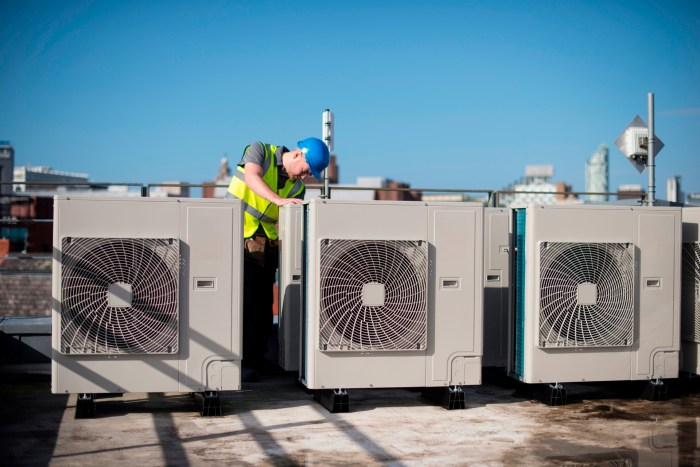
Commercial air conditioning technology is constantly evolving to meet the demands of modern buildings and energy efficiency standards. Let's explore some of the latest trends shaping the industry.
Smart HVAC Systems
Smart HVAC systems are becoming increasingly popular in commercial buildings, allowing for more precise control over temperature and energy usage. These systems use sensors and algorithms to adapt to changing conditions, optimizing performance and reducing energy waste.
VRF Technology
Variable Refrigerant Flow (VRF) systems are gaining traction in the commercial sector due to their ability to provide simultaneous heating and cooling in different zones. This technology offers flexibility, energy efficiency, and individualized comfort control, making it a valuable solution for commercial air conditioning contractors.
Energy Management Systems
Energy management systems integrate with HVAC systems to monitor and control energy usage in real-time. By analyzing data and adjusting settings automatically, these systems help optimize energy efficiency and reduce operational costs for commercial buildings.
Green Building Practices
With a growing focus on sustainability, commercial air conditioning contractors are increasingly incorporating green building practices into their projects. This includes using eco-friendly refrigerants, implementing energy-saving strategies, and designing HVAC systems that minimize environmental impact.
Conclusion
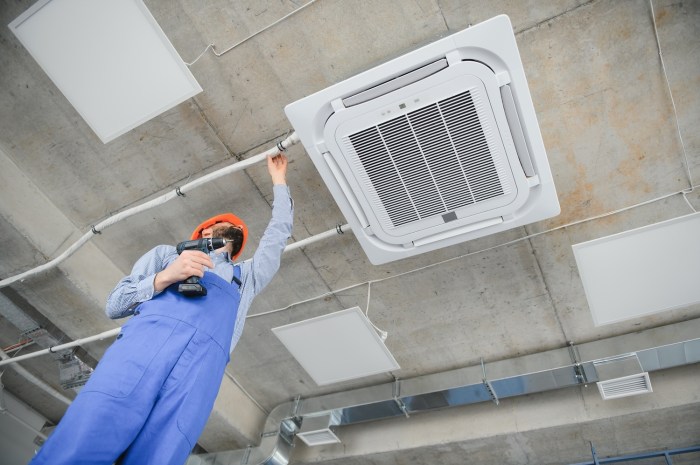
In conclusion, commercial air conditioning contractors play a vital role in ensuring optimal HVAC systems for commercial buildings. By understanding their qualifications, project planning processes, installation practices, and industry trends, you can make informed decisions for your air conditioning needs.
FAQ Section
What qualifications should commercial air conditioning contractors possess?
Commercial air conditioning contractors should have relevant certifications, experience in commercial HVAC projects, and a thorough understanding of building codes and regulations.
How do licensing requirements vary for commercial air conditioning contractors across different states?
Licensing requirements for commercial air conditioning contractors can vary widely from state to state, so it's essential to check with local authorities to ensure compliance.
What are some energy-efficient designs that commercial air conditioning contractors may implement?
Commercial air conditioning contractors may implement designs that utilize smart controls, variable speed drives, and high-efficiency equipment to enhance energy efficiency in commercial buildings.