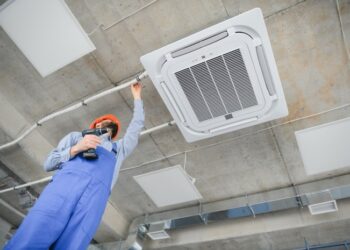
HVAC replacement cost is a crucial aspect of home maintenance that often comes with various considerations and factors. From understanding the key influencers to estimating costs and deciding between DIY or professional services, this topic delves into the nitty-gritty details that every homeowner should know.
As we navigate through the intricacies of HVAC replacement costs, we will unravel the complexities surrounding this subject and provide valuable insights to help you make informed decisions for your home.
Factors influencing HVAC replacement costs
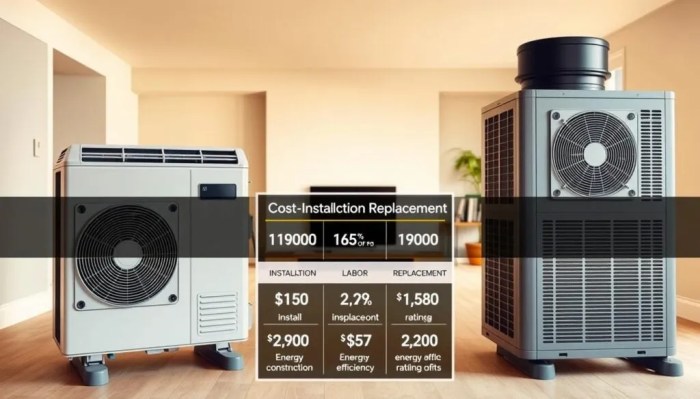
When considering the cost of replacing an HVAC system, there are several key factors that can influence the overall price. Understanding these factors can help homeowners make informed decisions about their HVAC replacement needs.
Types of HVAC systems
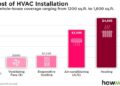
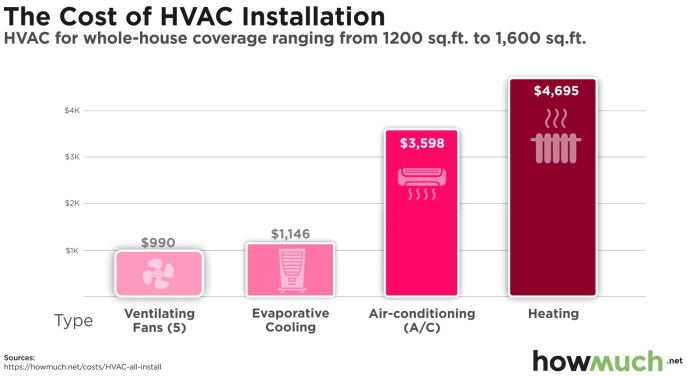
The type of HVAC system being installed plays a significant role in determining the replacement cost. For example, a central air conditioning system may be more expensive to replace than a ductless mini-split system due to the complexity of the installation process and the size of the unit.
Energy efficiency
Energy efficiency is another important factor to consider when replacing an HVAC system. While more energy-efficient systems may have a higher upfront cost, they can lead to long-term savings on energy bills. Homeowners should weigh the initial investment against potential energy savings over time.
Geographic location
The geographic location of a home can also impact the cost of replacing an HVAC system. For example, homes in regions with extreme temperatures may require larger or more specialized HVAC systems, leading to higher replacement costs. Additionally, labor and material costs can vary by location, affecting overall pricing.
Preparation for HVAC replacement
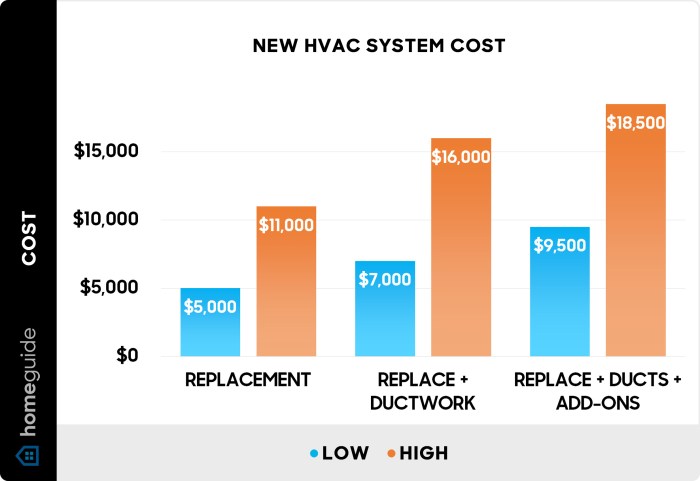
When preparing for an HVAC replacement, there are several important steps to consider to ensure a successful and cost-effective upgrade.
Importance of Getting Multiple Quotes
It is crucial to obtain multiple quotes from different contractors before proceeding with an HVAC replacement. This allows homeowners to compare prices, services offered, and warranties provided by each contractor. By doing so, homeowners can make an informed decision based on their budget and specific needs.
Significance of Conducting a Home Energy Audit
Prior to replacing an HVAC system, conducting a home energy audit is essential. This audit helps identify areas of energy inefficiency in the home, such as poor insulation or air leaks, which can impact the efficiency of the new HVAC system.
By addressing these issues beforehand, homeowners can ensure that the replacement system operates optimally and saves on energy costs in the long run.
Impact of Proper Sizing and Load Calculation
Proper sizing and load calculation are critical factors that can impact the overall cost of an HVAC replacement. A system that is too large or too small for the home can lead to inefficiencies, increased energy consumption, and premature wear and tear on the equipment.
By accurately sizing the new HVAC system based on the home's specific needs and conducting load calculations, homeowners can avoid unnecessary expenses and ensure optimal performance.
Estimating HVAC Replacement Costs
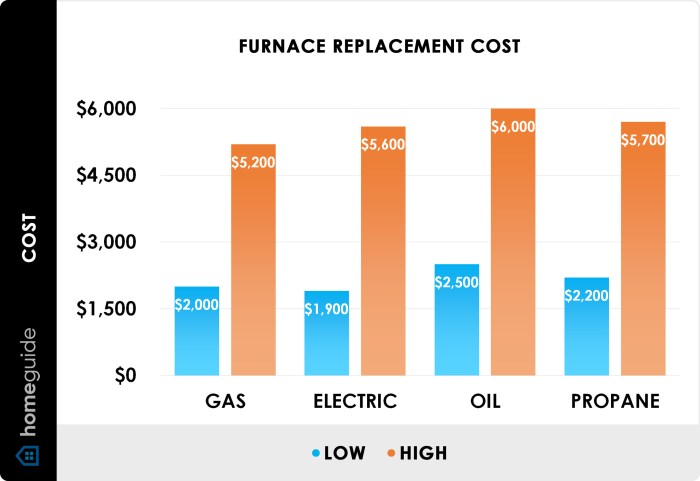
When it comes to estimating HVAC replacement costs, there are several factors to consider in order to come up with an accurate budget for the project. By understanding the breakdown of cost components and implementing effective budgeting strategies, homeowners can ensure a smooth and cost-effective HVAC replacement process.
Cost Components Involved in Replacement
- Equipment Cost: This includes the price of the new HVAC unit, as well as any additional components or accessories needed for installation.
- Labor Cost: The cost of hiring HVAC professionals to remove the old system and install the new one.
- Permit Fees: Depending on local regulations, there may be permit fees required for HVAC replacement projects.
- Ductwork Modifications: If there are any changes needed to the existing ductwork to accommodate the new system, this cost should be factored in.
- Disposal Fees: Proper disposal of the old HVAC unit may incur additional fees.
Tips for Effective Budgeting
- Get Multiple Quotes: It's always a good idea to get quotes from multiple HVAC contractors to compare prices and services.
- Consider Energy Efficiency: Investing in a more energy-efficient HVAC system may have a higher upfront cost but can lead to long-term savings on energy bills.
- Plan for Contingencies: It's wise to set aside a buffer in your budget for any unexpected expenses that may arise during the replacement process.
Financing Options for Covering Replacement Costs
- Cash Payment: Paying for the replacement upfront with cash can help avoid interest charges.
- Personal Loan: Taking out a personal loan from a bank or credit union can provide funds for the replacement project.
- Financing Plans: Some HVAC companies offer financing plans with low or no interest rates to help homeowners cover the cost of replacement over time.
DIY vs. Professional HVAC replacement
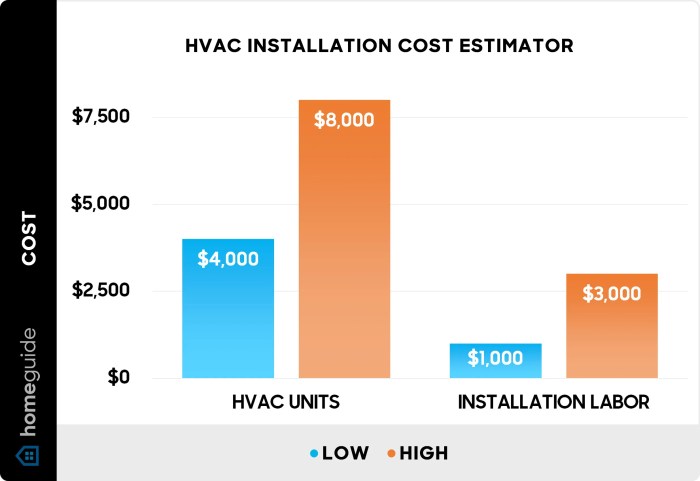
When it comes to HVAC replacement, homeowners often debate between doing it themselves or hiring a professional. Let's compare the costs and benefits of DIY HVAC replacement versus hiring professionals.
Costs and Benefits of DIY HVAC replacement
- Costs: DIY HVAC replacement may seem more budget-friendly at first, but it can lead to additional expenses if mistakes are made during the installation process.
- Benefits: DIY projects can provide a sense of accomplishment and potentially save money on labor costs.
Risks of DIY HVAC replacement
Without proper knowledge and experience, DIY HVAC replacements can result in costly errors that may require professional intervention to fix.
Importance of Hiring a Licensed Contractor
- Licensed contractors have the expertise and training to ensure the HVAC system is installed correctly and efficiently.
- They can also provide warranties and guarantees for their work, giving homeowners peace of mind.
Cost-Effectiveness of Hiring Professionals
- Examples: It is more cost-effective to hire professionals for HVAC replacement when dealing with complex systems, older homes with unique requirements, or when specific permits are needed.
Outcome Summary
In conclusion, HVAC replacement cost is not just about the numbers; it's about making smart choices that align with your needs and budget. By weighing the different factors and options discussed, you can embark on your HVAC replacement journey with confidence and clarity.
FAQ
What factors can influence HVAC replacement costs?
Factors such as system type, energy efficiency, geographic location, and more can impact HVAC replacement costs.
Why is it important to get multiple quotes from different contractors?
Getting multiple quotes helps in comparing prices, services offered, and expertise, ensuring you make an informed decision for your HVAC replacement.
How can one effectively budget for an HVAC replacement?
Effective budgeting involves considering all costs involved, planning for unexpected expenses, and exploring financing options if needed.