Exploring the realm of residential AC repair, this introduction delves into the importance of regular maintenance, the common problems homeowners face, DIY troubleshooting tips, and the benefits of hiring professional services. With a focus on enhancing energy efficiency and extending the lifespan of AC units, this guide aims to provide valuable insights for homeowners seeking to optimize their cooling systems.
Importance of Residential AC Repair
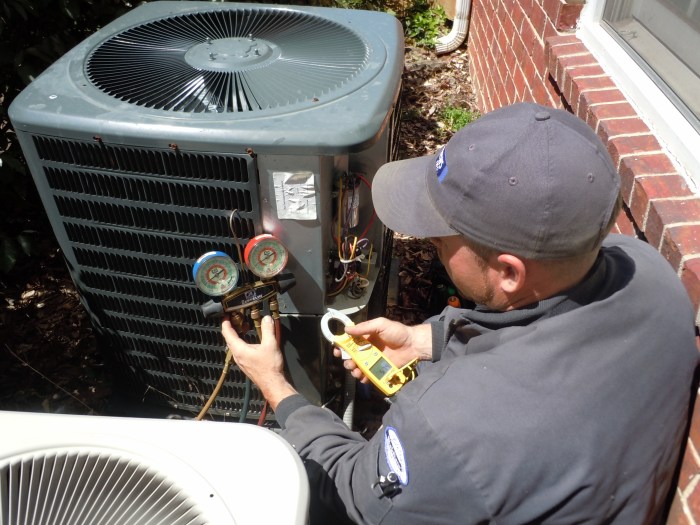
Regular maintenance of your residential AC unit is crucial to ensure it functions efficiently and effectively. Neglecting AC repairs can lead to a decrease in energy efficiency, causing higher electricity bills and unnecessary strain on the unit. Timely repairs not only improve the performance of the AC but also help in extending its lifespan.
Impact of Neglecting AC Repairs on Energy Efficiency
- Accumulation of dust and debris can clog the filters and ducts, reducing airflow and making the AC work harder to cool the space.
- Leaking refrigerant or damaged components can result in the AC consuming more energy to maintain the desired temperature.
- An inefficient AC system can lead to uneven cooling, resulting in some areas of the house being too hot or too cold.
Importance of Timely Repairs for Extending AC Lifespan
- Fixing minor issues promptly can prevent them from escalating into major problems that may require costly repairs or even premature replacement of the unit.
- Regular maintenance and timely repairs can help in identifying worn-out parts and replacing them before they cause significant damage to the AC system.
- By ensuring that the AC unit is well-maintained and repaired when needed, you can prolong its lifespan and get the most out of your investment.
Common Residential AC Problems
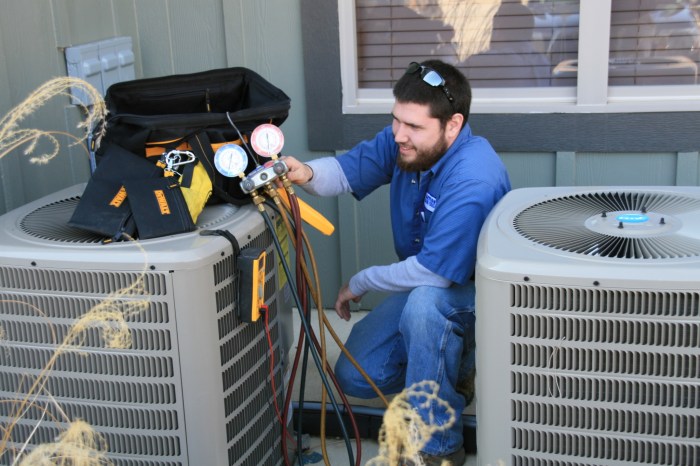
Residential air conditioning systems can encounter a variety of issues that may require repair. It is essential for homeowners to be aware of common problems to ensure the proper functioning of their AC units.
1. Refrigerant Leaks
Refrigerant leaks are a common problem that can lead to inefficient cooling and potential health hazards. It is crucial to address these leaks promptly to prevent further damage to the system.
2. Electrical Issues
Electrical problems such as faulty wiring or capacitor issues can cause the AC unit to malfunction or fail completely. It is important to have a professional technician inspect and repair any electrical issues to avoid safety hazards.
3. Frozen Evaporator Coils
Frozen evaporator coils are often caused by restricted airflow or low refrigerant levels. This can lead to reduced cooling capacity and increased energy consumption. Regular maintenance and cleaning can help prevent this issue.
4. Strange Noises or Odors
Unusual noises or odors coming from the AC unit can indicate underlying issues such as motor problems or mold growth. It is crucial to address these warning signs promptly to prevent further damage and ensure indoor air quality.
5. Poor Airflow
Poor airflow can be caused by clogged filters, ductwork issues, or a malfunctioning fan. This can result in uneven cooling and increased energy consumption. Regular filter replacements and duct cleaning can help improve airflow.
DIY Troubleshooting Tips
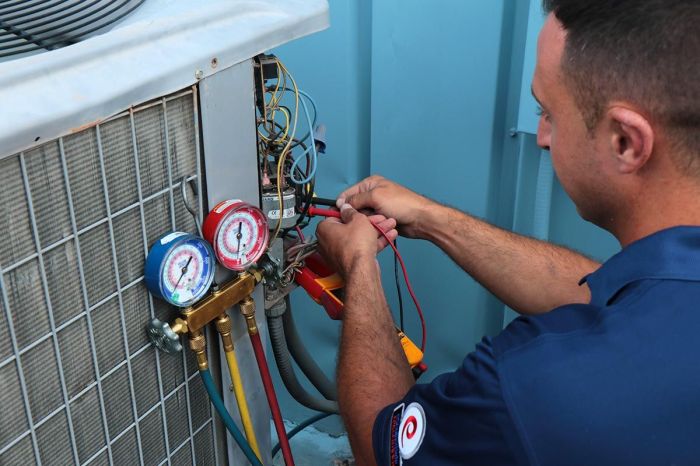
When your residential AC starts acting up, there are a few simple troubleshooting steps you can take before calling in the professionals. Not only can these tips help you save time and money, but they can also ensure that your AC unit is running efficiently.
Cleaning AC Filters and Vents
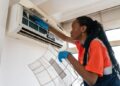
One of the most common issues with residential AC units is dirty filters and vents. To clean them:
- Turn off the AC unit before starting any maintenance.
- Locate the air filter, typically found behind the return air grille or within the air handler unit.
- Remove the filter and clean it by either vacuuming or washing it with soap and water. Let it dry completely before reinserting it.
- Next, check the vents around your home to ensure they are clean and unobstructed. Use a vacuum or damp cloth to remove any dust or debris.
- Regularly cleaning filters and vents can improve airflow and prevent potential AC problems.
Knowing When to DIY and When to Call a Professional
While cleaning filters and vents is a simple task that homeowners can handle, there are certain issues that may require professional help. It's best to call a professional if:
- Your AC unit is making strange noises or emitting unusual odors.
- The airflow from your vents is weak or inconsistent.
- You notice a significant increase in your energy bills without a clear cause.
- Your AC unit is leaking water or refrigerant.
- You are unsure about performing any repairs or maintenance tasks on your own.
Remember, safety should always be a priority when dealing with your AC system. If in doubt, it's better to seek professional assistance to avoid any further damage or safety hazards.
Hiring Professional AC Repair Services
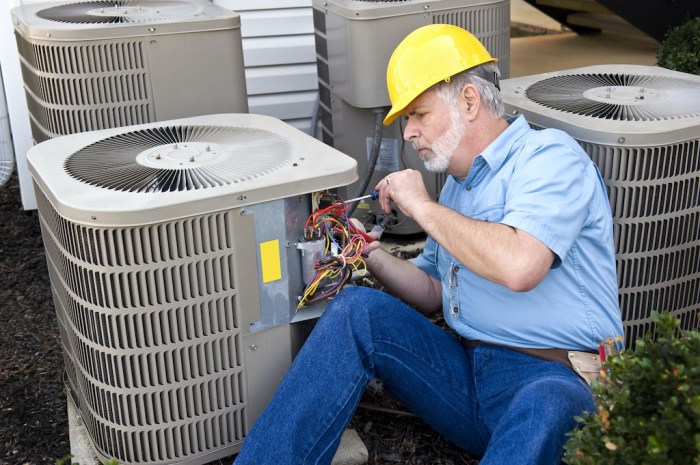
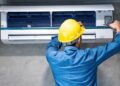
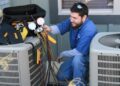
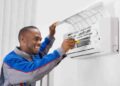
When it comes to repairing your residential AC unit, hiring professional technicians can offer several benefits. These experts have the necessary knowledge, skills, and experience to diagnose and fix issues efficiently, ensuring your system runs smoothly.
Benefits of Hiring Professional Technicians
Professional AC repair services provide a range of benefits, including:
- Expertise: Trained technicians have the expertise to identify and resolve problems effectively.
- Quality Work: Professionals can deliver high-quality work that ensures long-lasting solutions.
- Time and Cost-Efficiency: Hiring professionals can save you time and money in the long run, preventing further damage to your AC unit.
- Warranty Protection: Many professional repair services offer warranties on their work, providing you with peace of mind.
Comparing AC Repair Service Providers
Before hiring an AC repair service, it's essential to compare different providers based on their experience and reviews. Look for companies with a proven track record of successful repairs and satisfied customers. Reading online reviews can give you insights into the quality of service provided by each company.
Importance of Checking Licenses and Certifications
When selecting an AC repair service, always check for licenses and certifications. A licensed technician will have the necessary training and qualifications to work on your AC unit safely. Certification from reputable organizations can also indicate the technician's expertise and commitment to quality service.
Final Conclusion
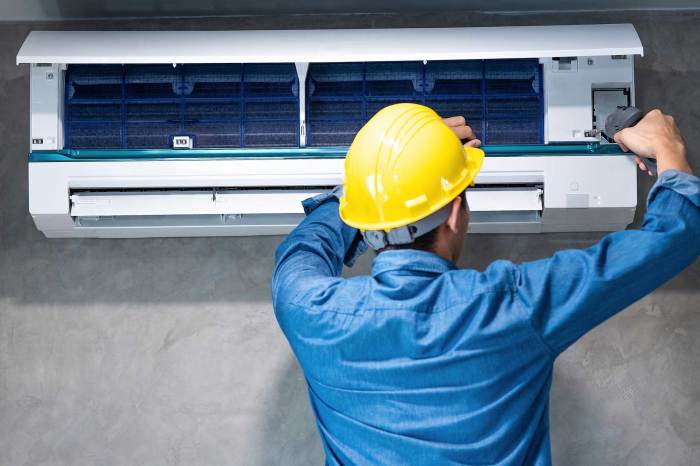
In conclusion, prioritizing regular maintenance, timely repairs, and professional services can significantly impact the performance and longevity of residential AC units. By staying proactive and informed, homeowners can ensure their cooling systems operate efficiently and effectively for years to come.
Essential Questionnaire
How often should I schedule maintenance for my residential AC unit?
Maintenance should ideally be scheduled at least once a year to ensure optimal performance and prevent potential issues.
What are some common warning signs that indicate the need for AC repair?
Unusual noises, weak airflow, inconsistent cooling, and sudden spikes in energy bills are all signs that your AC unit may require repair.
Can I attempt to repair my AC unit on my own?
While simple tasks like cleaning filters can be done by homeowners, more complex repairs should be handled by professional technicians to avoid causing further damage.