When it comes to AC tune up cost, various factors come into play, influencing the overall expenses. From the average cost range to the importance of regular maintenance, this topic delves into essential aspects that every homeowner should consider. Whether you're weighing the benefits of a professional service or contemplating a DIY approach, understanding the intricacies of AC tune up costs is crucial for maintaining a comfortable and efficient home environment.
Factors influencing AC tune-up costs

Several factors can influence the cost of an AC tune-up, impacting the overall price you may pay for this service. Understanding these factors can help you make informed decisions regarding your HVAC maintenance.
1. Type of AC Unit
The type of AC unit you have can significantly affect the cost of a tune-up. For instance, central AC systems may require more extensive maintenance compared to window units, leading to higher service fees.
2. Age and Condition of the Unit
The age and condition of your AC unit play a crucial role in determining the tune-up cost. Older units or those in poor condition may require more repairs and part replacements, resulting in increased service charges.
3. Service Provider and Location
The service provider you choose and your location can impact the cost of an AC tune-up. Different companies may offer varying price points for their services, and geographic factors like labor costs and market demand can also influence the overall expense.
4. Additional Services Needed
If your AC unit requires additional services beyond a routine tune-up, such as refrigerant refills or duct cleaning, the overall cost will likely be higher. These extra services add to the complexity of the maintenance process and can drive up the price.
5. Seasonal Demand
The time of year when you schedule your AC tune-up can affect the cost. Peak seasons, such as summer when AC units are used most frequently, may result in higher service charges due to increased demand for HVAC technicians.
Average cost range for AC tune-ups
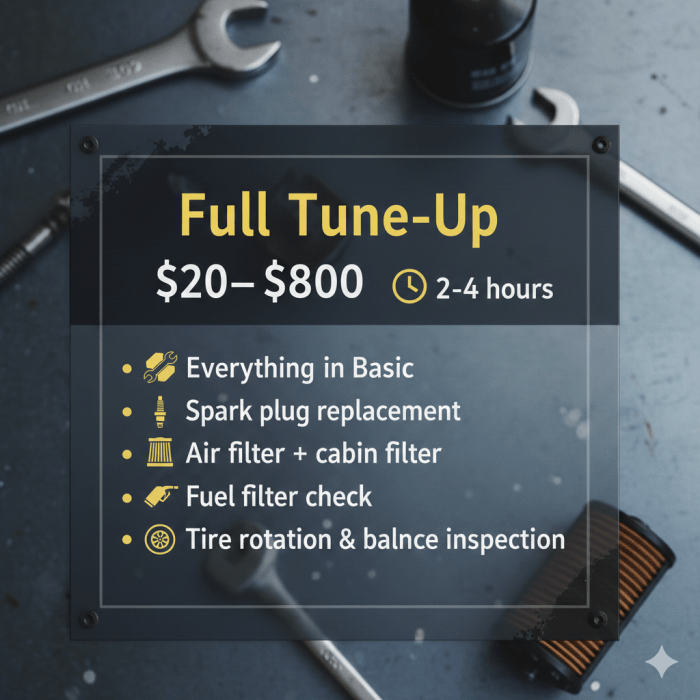
When it comes to the average cost range for AC tune-ups, it can vary depending on several factors such as the service provider, the region, and any additional services or fees included in the package.
Cost Disparities Across Service Providers or Regions
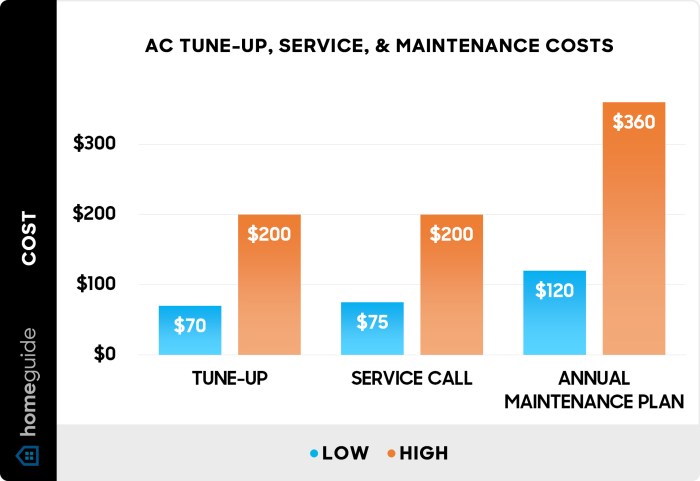
- On average, the cost of an AC tune-up can range from $75 to $200, with some providers charging higher based on their reputation and level of expertise.
- In urban areas or regions with a higher cost of living, you may find AC tune-up costs on the higher end of the spectrum compared to rural areas.
- It's essential to compare quotes from different service providers to ensure you're getting a fair price for the services offered.
Additional Services or Fees Impacting Cost
- Sometimes, AC tune-up packages may include additional services such as cleaning of the condenser coils, refrigerant top-up, or air filter replacement, which can influence the final cost.
- Service providers may also charge extra for emergency or weekend appointments, so it's essential to inquire about any additional fees upfront.
- Opting for a maintenance plan or annual contract with a service provider could also affect the overall cost of AC tune-ups, offering discounts or bundled services.
Importance of regular AC maintenance
Regular AC maintenance is crucial for the longevity and efficiency of your cooling system. By scheduling routine tune-ups, you can ensure that your AC is running smoothly and identify any potential issues before they escalate into costly repairs.
Preventing Costly Repairs
Regular maintenance helps in detecting small problems early on, preventing them from turning into major issues that require expensive repairs. For example, a simple refrigerant leak can lead to compressor failure if left unaddressed. By catching and fixing such issues during a tune-up, you can save yourself from significant repair costs down the line.
Impact on Overall Expenses
Neglecting maintenance can result in decreased efficiency and increased energy consumption, leading to higher utility bills. Additionally, a poorly maintained AC system is more prone to breakdowns, which can leave you without cooling on a hot day and require emergency repairs at a premium cost.
By investing in regular tune-ups, you not only extend the lifespan of your AC but also save money on repairs and utility bills in the long run.
DIY vs. Professional AC tune-up

When it comes to AC tune-ups, homeowners often face the decision of whether to tackle the task themselves or hire a professional. Let's explore the costs, benefits, risks, and potential savings associated with each approach.
Costs and Benefits of DIY AC Tune-up
Performing an AC tune-up on your own can save you money upfront since you won't have to pay for professional services. However, it's essential to consider the costs of purchasing any necessary tools or materials for the job. Additionally, DIY tune-ups may not be as thorough or effective as those done by professionals, which could lead to more significant issues down the line.
Costs and Benefits of Professional AC Tune-up
While hiring a professional for an AC tune-up may come at a higher cost, it offers several benefits. Professionals have the expertise and experience to identify and address potential issues before they escalate. This can result in improved efficiency, lower energy bills, and a longer lifespan for your AC unit.
Moreover, professional tune-ups often come with warranties or guarantees, providing peace of mind for homeowners.
Risks and Potential Savings
DIY AC tune-ups carry the risk of improper maintenance, which could lead to costly repairs or even the need for a full replacement of the unit. On the other hand, professional tune-ups reduce the risk of errors and ensure that the job is done correctly the first time.
While DIY may save money initially, the potential savings from professional maintenance in terms of energy efficiency and avoiding major repairs can outweigh the upfront cost.
Complexity of Tasks
DIY AC tune-ups involve tasks such as cleaning or replacing filters, checking for leaks, and inspecting ductwork. While these tasks are manageable for some homeowners, more complex issues like refrigerant leaks or electrical problems are best left to professionals. Professional services often include comprehensive inspections, adjustments, and cleaning procedures that require specialized knowledge and equipment.
Closing Summary

In conclusion, the cost of AC tune-ups is not just an expense but an investment in the longevity and performance of your cooling system. By staying informed about the factors affecting costs and the significance of regular maintenance, you can make informed decisions that benefit both your comfort and your budget.
Whether you choose to tackle tune-ups yourself or rely on professionals, prioritizing AC maintenance is key to avoiding costly repairs down the line.
FAQ Insights
What are some factors that can influence AC tune-up costs?
Factors like the age of the system, complexity of the job, and any additional repairs needed can impact the overall cost.
Is it necessary to have regular AC tune-ups?
Regular AC tune-ups are essential for prolonging the lifespan of your system and preventing costly repairs in the future.
What are the potential risks of DIY AC tune-ups?
DIY AC tune-ups can lead to mistakes that may damage your system, resulting in higher repair costs.