Air conditioner repair costs can vary significantly based on a variety of factors. From the type of repair needed to the brand of the unit, there are many elements that can impact the final price tag. In this detailed guide, we delve into the intricacies of air conditioner repair costs, providing valuable insights for homeowners and renters alike.
As we navigate through the complexities of repair expenses, you'll gain a deeper understanding of what influences the cost of fixing your air conditioning unit.
Factors Affecting Air Conditioner Repair Cost
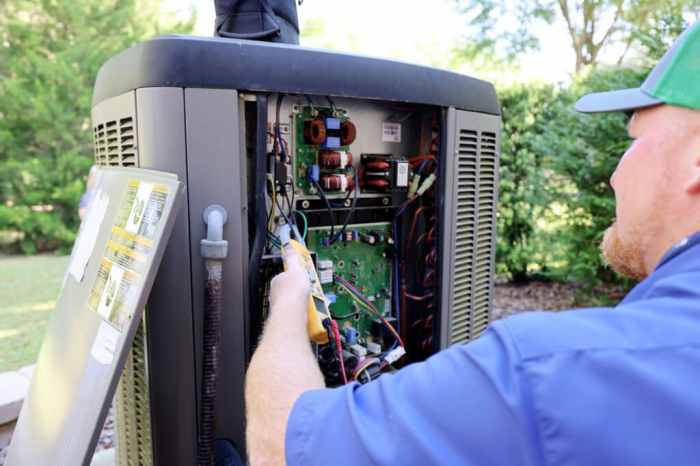
When it comes to determining the cost of repairing an air conditioner, several factors come into play. Understanding these factors can help you anticipate and budget for potential repair expenses.
Type of Repair Needed
The type of repair needed has a significant impact on the overall cost. Minor repairs such as replacing a capacitor or a fan motor are generally more affordable compared to major repairs like compressor replacement or refrigerant leak repair.
Age and Condition of the Air Conditioner
The age and condition of the air conditioner also influence repair costs. Older units may require more frequent repairs due to wear and tear, which can add up over time. Additionally, if the air conditioner has not been well-maintained, it may lead to more extensive and costly repairs.
Brand and Model of the Air Conditioner
The brand and model of the air conditioner can affect repair costs as well. Some brands may use more expensive parts or have specialized components that are pricier to replace. Likewise, rare or discontinued models may require more effort to source replacement parts, increasing the repair expenses.
Location and Local Market Conditions
The location where the repair is being carried out and the local market conditions play a role in determining repair expenses. Areas with higher living costs or where skilled technicians are in high demand may have higher repair rates. Additionally, availability of parts and competition among repair companies can influence the overall repair cost.
Common Air Conditioner Repairs and Their Costs
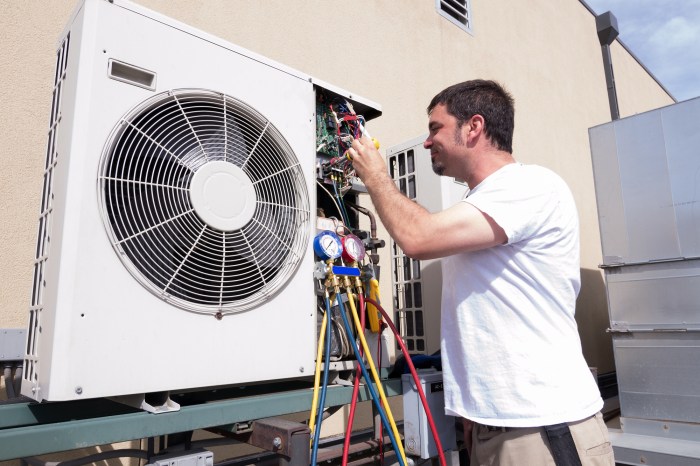
When it comes to air conditioner repairs, there are several common issues that can arise, each with its associated costs. Understanding these repairs and their typical costs can help you prepare for potential expenses and make informed decisions.Refrigerant Leaks:Refrigerant leaks are a common problem in air conditioners and can lead to decreased cooling efficiency.
The cost of repairing a refrigerant leak can range from $200 to $1,500, depending on the size of the leak and the type of refrigerant used.Compressor Issues:Compressor problems are another common issue that can arise with air conditioners. Repairing or replacing a compressor can cost anywhere from $1,500 to $2,500, making it one of the more costly repairs.
Labor costs for compressor repairs can also be significant due to the complexity of the work involved.Fan Motor Replacements:Faulty fan motors can cause your air conditioner to stop working properly. The cost of replacing a fan motor typically ranges from $200 to $600, including both the cost of the motor itself and the labor required for installation.Labor Costs:Labor costs for air conditioner repairs can vary depending on the complexity of the repair and the HVAC technician's hourly rate.
On average, labor costs for air conditioner repairs can range from $50 to $150 per hour. More complicated repairs, such as compressor replacements, may require several hours of labor, increasing the overall cost.Seasonal Factors:Seasonal factors can also impact air conditioner repair costs.
During peak summer months when HVAC technicians are in high demand, repair costs may be higher due to increased service fees and longer wait times for appointments. It's essential to schedule routine maintenance and address any issues promptly to avoid more extensive and costly repairs down the line.
DIY vs. Professional Repair Costs
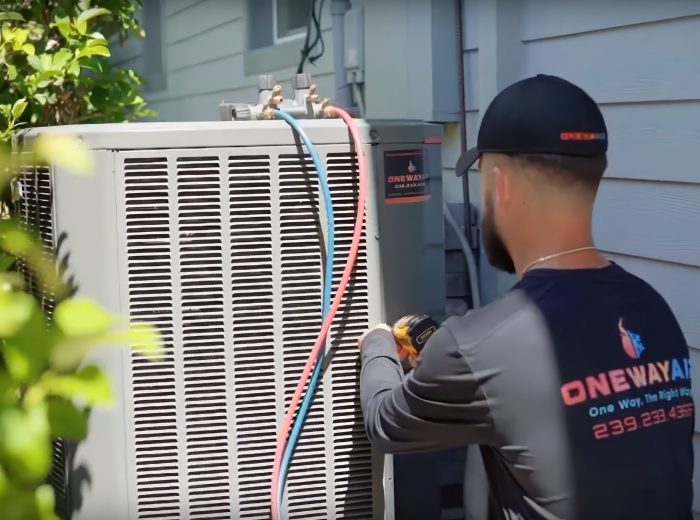
When it comes to air conditioner repairs, homeowners often face the decision of whether to attempt a DIY fix or hire a professional technician. Understanding the costs involved and the risks and benefits of each option is crucial in making an informed choice.
Cost Comparison
- DIY repairs typically come with lower upfront costs as you won't have to pay for labor fees.
- Professional repair costs can vary depending on the complexity of the issue, but they often include labor charges in addition to parts and materials.
- While DIY repairs may seem more budget-friendly initially, there is a risk of causing further damage if not done correctly, leading to higher repair costs in the long run.
Risks and Benefits
- DIY repairs can save money and time if the issue is minor and easily fixable.
- However, attempting complex repairs without the necessary skills and knowledge can result in safety hazards and void warranties.
- Professional technicians have the expertise to diagnose problems accurately and ensure proper repair, reducing the risk of future issues.
When to Hire a Professional
- If the air conditioner is still under warranty, it's best to hire a professional to avoid voiding the warranty.
- For complex issues like refrigerant leaks or electrical problems, it's safer to rely on a trained technician to prevent accidents.
- If DIY attempts have not resolved the problem or if you are unsure about the repair process, it's wise to seek professional help.
DIY Repairs Homeowners Can Perform
- Cleaning or replacing air filters regularly to maintain optimal airflow.
- Inspecting and cleaning the condenser coils to improve efficiency.
- Checking and unclogging the condensate drain line to prevent water leaks.
Additional Factors Influencing Repair Costs
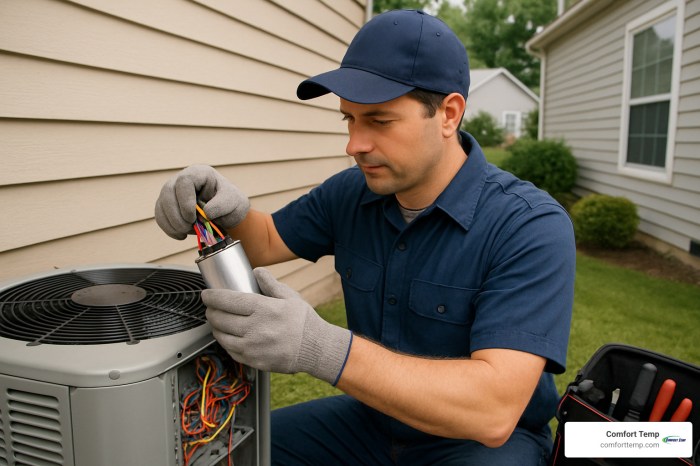
Regular maintenance and warranty status play a significant role in determining air conditioner repair costs. Emergency repairs, scheduled maintenance, and the choice between aftermarket and manufacturer parts also impact overall expenses.
Warranty Status Impact
The warranty status of your air conditioner can greatly affect repair expenses. If your unit is still under warranty, you may be able to get certain repairs covered at no additional cost. However, if the warranty has expired, you will have to bear the full cost of any repairs needed.
Importance of Regular Maintenance
Regular maintenance is crucial in reducing long-term repair costs for your air conditioner. By scheduling routine maintenance checks, you can identify and address minor issues before they escalate into major problems that require expensive repairs.
Emergency Repairs vs. Scheduled Maintenance
Emergency repairs often come with a premium price tag due to the urgency of the situation. On the other hand, scheduled maintenance allows you to plan and budget for routine servicing, which can help prevent sudden breakdowns and costly emergency repairs.
Aftermarket Parts vs. Manufacturer Parts
When it comes to air conditioner repairs, the choice between aftermarket parts and manufacturer parts can impact costs. Aftermarket parts are typically cheaper but may not offer the same quality or compatibility as manufacturer parts. Opting for manufacturer parts may cost more initially but could result in better performance and longevity for your air conditioner.
End of Discussion
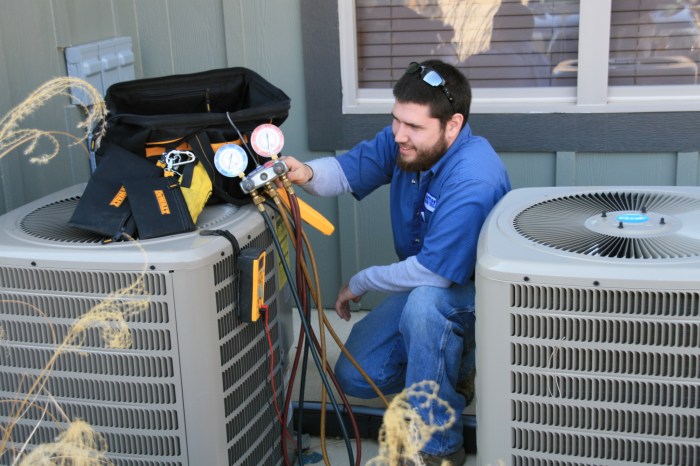
Exploring the world of air conditioner repair costs has allowed us to uncover the key determinants that affect pricing. By being informed about these factors, you can make more educated decisions when it comes to maintaining and repairing your cooling system.
Clarifying Questions
What factors can affect air conditioner repair costs?
The type of repair needed, age and condition of the unit, brand and model of the air conditioner, and local market conditions can all play a role in determining repair expenses.
Are DIY repairs cheaper than hiring a professional technician?
In some cases, DIY repairs can be more cost-effective, but it's important to consider the risks and benefits. For complex or potentially dangerous repairs, it's best to hire a professional.
How does regular maintenance impact long-term repair costs?
Regular maintenance can help prevent costly repairs in the future by addressing issues early on and keeping the system running efficiently.