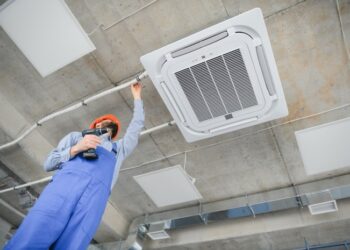
Exploring the realm of home air conditioning installation, this introduction sets the stage for a comprehensive discussion on the importance of efficient cooling systems. With a focus on detailed insights and practical advice, readers are invited to delve into the world of AC installation with a keen eye for detail and precision.
As we navigate through the various types of air conditioning systems, factors to consider before installation, and the installation process itself, this guide aims to equip homeowners with the knowledge needed to make informed decisions about their home cooling needs.
Importance of Home Air Conditioning Installation
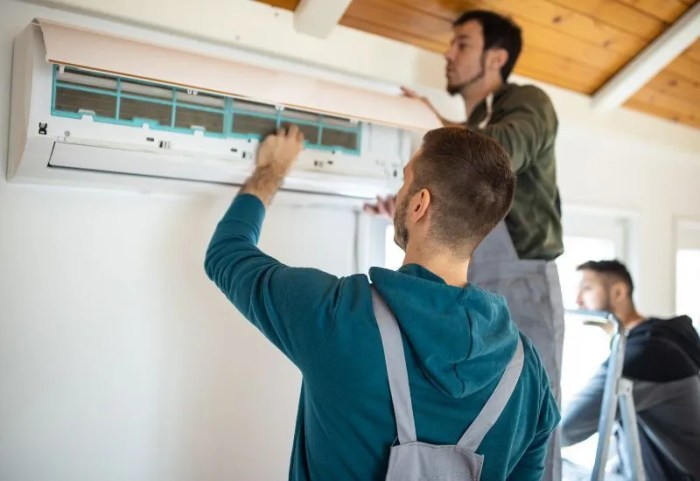
Proper installation of a home air conditioning system is crucial for efficient cooling and optimal performance of the unit. Improper installation can lead to a range of issues that affect energy consumption, system efficiency, and overall longevity.
Impact of Improper Installation
- Reduced energy efficiency: Improperly installed AC units may consume more energy to cool the space, leading to higher electricity bills.
- Poor performance: Improper installation can result in uneven cooling, inadequate airflow, and frequent breakdowns.
- Shortened lifespan: AC units that are not installed correctly are more prone to wear and tear, reducing the overall lifespan of the system.
Types of Home Air Conditioning Systems
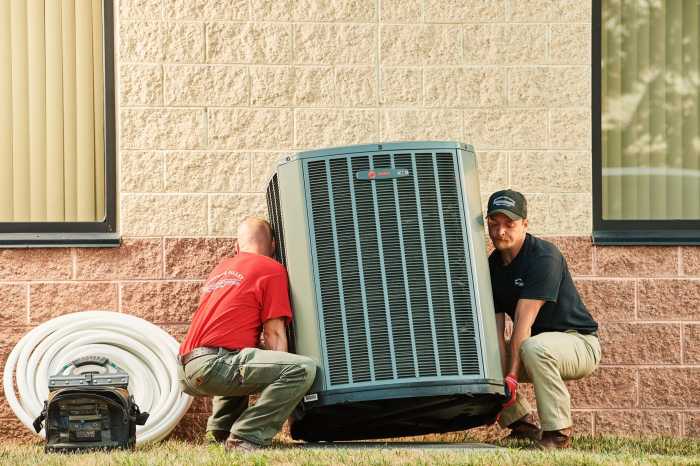
When it comes to choosing the right air conditioning system for your home, there are several options available that cater to different needs and preferences.
Central Air Conditioning Systems
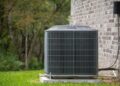
Central air conditioning systems are designed to cool the entire house by distributing cool air through a system of ducts. They are typically more expensive to install but provide consistent and even cooling throughout the home. This type of system is ideal for larger homes with multiple rooms where maintaining a consistent temperature is important.
Ductless Mini-Split Systems
Ductless mini-split systems are a great alternative to central air conditioning for homes without ductwork. These systems consist of an outdoor compressor unit and one or more indoor air-handling units that are mounted on the wall. They are energy-efficient, easy to install, and allow for zoned cooling, making them ideal for homes with specific cooling needs in different areas.
Window Air Conditioning Units
Window air conditioning units are a more affordable and easy-to-install option for cooling individual rooms. These units are mounted in a window or through a wall and are suitable for smaller spaces or rooms that don't require central cooling. While they may not be as efficient as central air or ductless systems, they are a cost-effective solution for targeted cooling.Each type of air conditioning system has its own set of features, advantages, and limitations, making it important to consider your specific needs and home layout before making a decision on which system to install.
Factors to Consider Before Installation
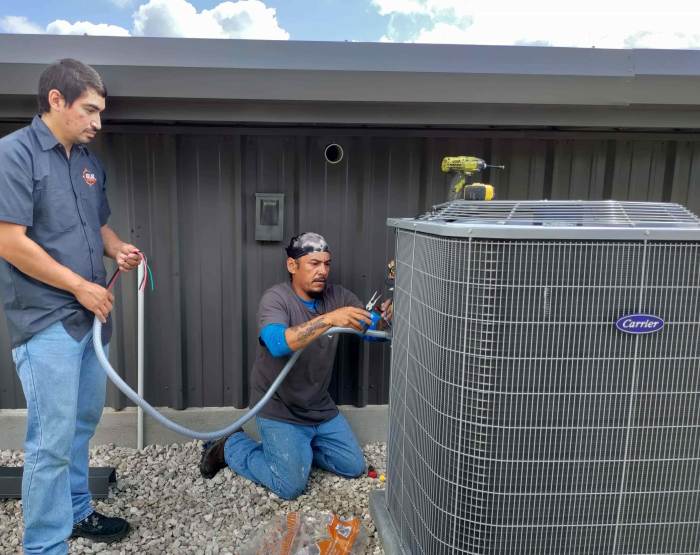
Before installing an air conditioning system in your home, there are several key factors that homeowners should carefully consider to ensure optimal performance and efficiency.
Size of the Home
One of the most important factors to consider before installing an air conditioning system is the size of your home. It's crucial to select a unit that is appropriately sized based on the square footage of your living space. An undersized unit will struggle to cool your home effectively, while an oversized unit may lead to short cycling and inefficient operation.
Insulation
The level of insulation in your home plays a significant role in the efficiency of your air conditioning system. Well-insulated homes are better able to retain cooled air, reducing the workload on your AC unit and improving energy efficiency. Before installation, it's essential to assess the insulation in your home and address any areas that may need improvement.
Budget
Consider your budget before choosing an air conditioning system for your home. While it may be tempting to opt for the cheapest unit available, it's important to balance cost with quality and efficiency. Investing in a more energy-efficient system may lead to long-term savings on your utility bills, making it a worthwhile investment in the future.
Energy Efficiency Ratings
When selecting an air conditioning system, pay close attention to the energy efficiency ratings of the units you are considering. Units with higher SEER (Seasonal Energy Efficiency Ratio) ratings are more energy-efficient and can help lower your long-term operating costs.
Choosing a system with a high SEER rating can lead to significant savings on your energy bills over time.
Steps in Home Air Conditioning Installation Process
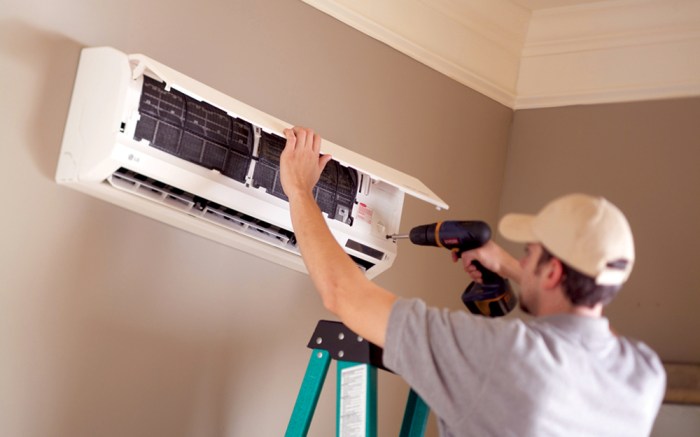
When it comes to installing a home air conditioning system, there are several important steps that need to be followed to ensure proper installation and efficiency.
Assessment of Space
- Before installation, a thorough assessment of the space is necessary to determine the best location for the unit.
- Consider factors such as room size, layout, and ventilation to optimize the cooling efficiency of the system.
Ductwork Installation
- Proper ductwork installation is crucial for ensuring the even distribution of cool air throughout the home.
- Ensure that the ducts are insulated and free of leaks to prevent energy wastage.
Unit Placement
- The placement of the air conditioning unit plays a significant role in its performance.
- Place the unit in a shaded area outside the home to prevent overheating and maximize efficiency.
Electrical Connections
- It is essential to have a qualified electrician handle the electrical connections to the air conditioning unit.
- Ensure that the electrical wiring is compatible with the system to prevent malfunctions or safety hazards.
Preparing the Home
- Prior to installation, clear the space where the unit will be placed to facilitate the installation process.
- Ensure proper ventilation in the installation area to allow for adequate airflow around the unit.
Post-Installation Checks and Tests
- After installation, perform thorough checks and tests to verify the system's efficiency and functionality.
- Test the cooling capacity, airflow, and thermostat settings to ensure optimal performance.
Final Wrap-Up
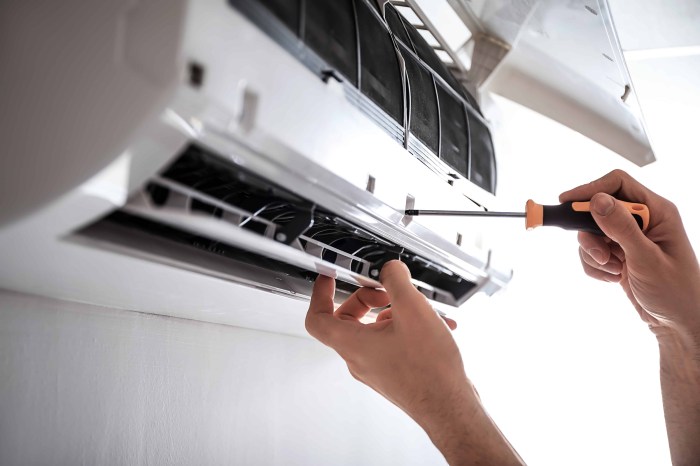
In conclusion, home air conditioning installation is not just about cooling your living space but also about enhancing comfort and energy efficiency. By understanding the nuances of installation, homeowners can ensure their AC systems operate optimally for years to come.
Stay cool and informed with the insights shared in this guide.
Helpful Answers
What factors impact the efficiency of a home air conditioning system?
Factors such as proper installation, regular maintenance, and insulation quality can greatly affect the efficiency of an AC unit.
How can I determine the right size unit for my home?
Consulting with a professional HVAC technician to conduct a load calculation based on your home's square footage and layout is the best way to determine the appropriate unit size.
Why is post-installation testing important?
Post-installation tests ensure that the AC system is functioning correctly, detects any issues early on, and guarantees optimal performance and efficiency.